
When and How to Prune Lavender
Lavender looks wonderfully effortless.
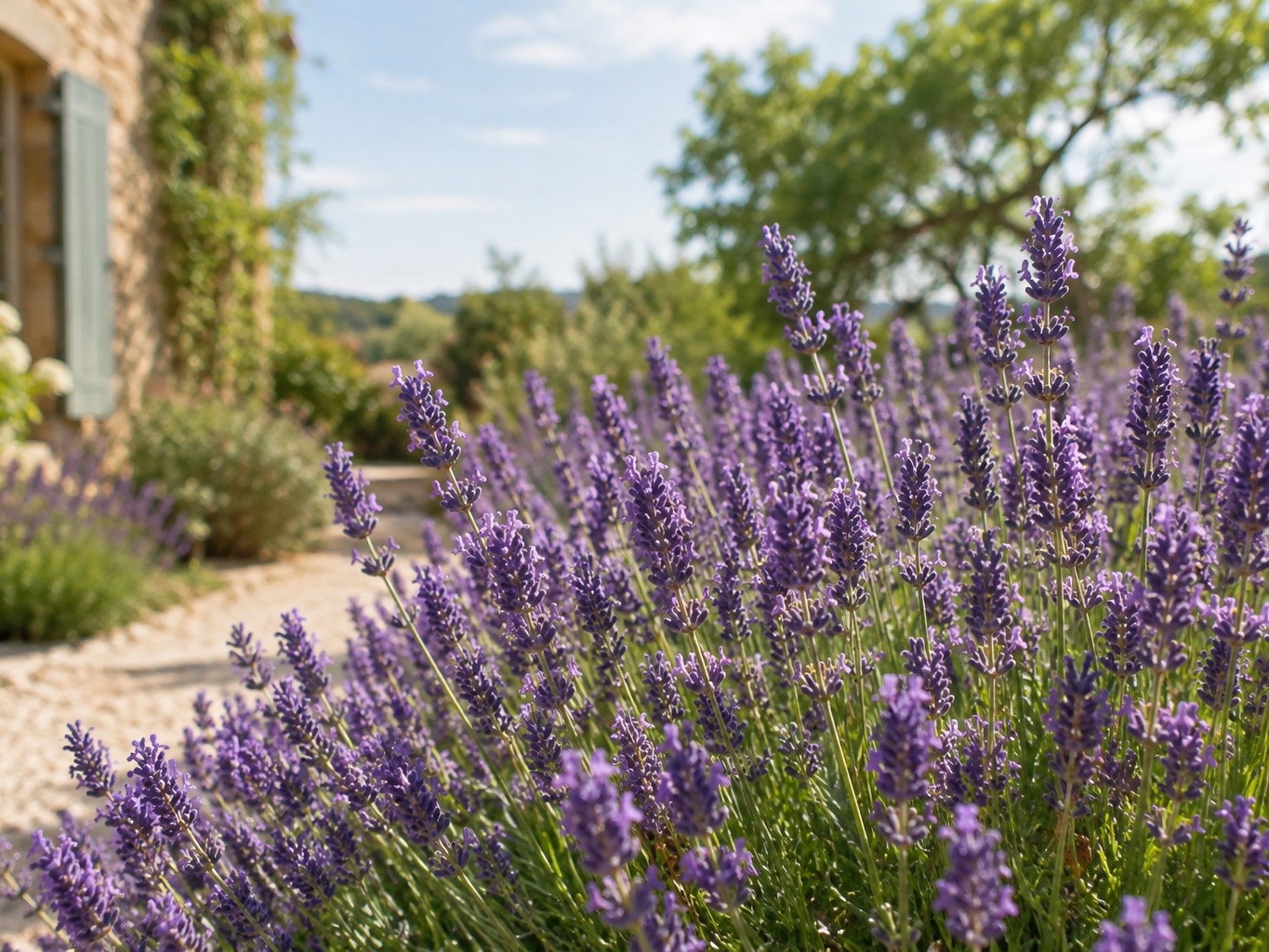
Rows of purple flowers, bees moving from one plant to another and that unmistakable fragrance drifting through the garden.
But there is one little job that makes a big difference to how lavender looks over the years:
Pruning.
Left completely alone, lavender can gradually become woody, open and untidy. Regular pruning helps it stay compact and encourages attractive new growth.
The important part is knowing where — and when — to cut.
When Should You Prune Lavender?
The exact timing depends on your climate and the type of lavender you grow, but lavender is commonly pruned after its main flowering period.
Once most of the flowers have faded, you can remove the spent flower stems and shape the plant.
In mild climates, some gardeners also give lavender a lighter trim at another point in the growing season.
What you want to avoid is severe pruning immediately before cold weather, when tender new growth may be vulnerable.
Why Lavender Needs Pruning
Lavender naturally develops woody stems as it ages.
Without pruning, plants can become increasingly woody at the base while producing new growth mostly at the ends of long stems.
Eventually, the centre can begin to open.
Regular pruning helps maintain that lovely rounded shape we associate with healthy lavender plants.
How to Prune Lavender
Start by removing the old flower stems.
Then look at the green leafy growth underneath.
Trim the plant into a neat, rounded mound, removing part of the current leafy growth while leaving plenty of green foliage on the plant.
Think of it as shaping rather than attacking.
Good pruning should leave the lavender looking smaller, tidier and still very much alive.
The Most Important Rule: Be Careful With Old Wood
This is the part worth remembering.
Avoid cutting deeply into old, bare woody stems that have no visible green growth.
Lavender doesn’t always regenerate reliably from old wood.
A plant that looks enormous can make enthusiastic pruning very tempting, but cutting it dramatically back into bare stems can cause permanent damage.
When in doubt, stay within healthy leafy growth.
What About Young Lavender?
Young plants benefit from gentle shaping.
It can feel strange to prune a small lavender plant that already looks perfectly nice, but encouraging branching while it is young can help create a fuller plant later.
Light, regular shaping is generally much better than waiting several years and then trying to rescue a large woody plant with one severe pruning.
Don’t Waste the Cut Flowers
Pruning lavender is also an opportunity to bring a little of the garden indoors.
If the flowers are still in reasonable condition, gather them into small bundles and dry them.
They can be used for simple arrangements, little scented sachets or seasonal decorations.
Sometimes even garden maintenance can become something beautiful.
Lavender in a Mediterranean Garden
Lavender suits a relaxed garden beautifully.
Once established in suitable conditions, it generally appreciates sunshine and well-drained soil and doesn’t need the constant attention demanded by thirstier plants.
It also works wonderfully alongside other Mediterranean plants and herbs.
And, of course, the flowers are loved by pollinators.
On warm days, a flowering lavender plant can feel like its own tiny ecosystem.
A Small Job That Makes a Big Difference
Pruning lavender doesn’t need to become complicated.
Remember three things:
Prune regularly.
Keep a rounded shape.
And don’t cut recklessly into old bare wood.
A few minutes of attention after flowering can help keep your lavender attractive for years.
And there are certainly worse gardening jobs than standing in the sunshine surrounded by the scent of lavender.
Do you prefer lavender growing naturally through the garden or clipped into neat rounded plants?